
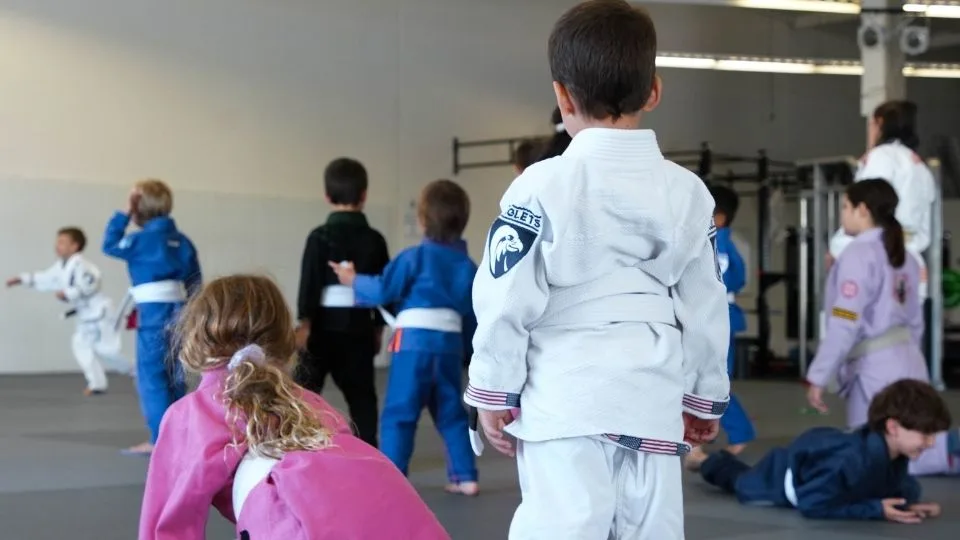
When you start looking into jiu-jitsu for your child, the first question is usually what they will get out of it, and whether they’ll learn anything beyond a few cool techniques.
A good kids martial arts program goes past self-defense. The techniques matter, but the bigger payoff is the change you see in a child over months and years of training. Plenty of gyms promise to teach effective jiu-jitsu, and far fewer put real thought into what happens to the kid underneath the uniform.
Here are the principles that shape how we teach kids at Legion, and how they carry over into school, home and everything else your child does off the mats.
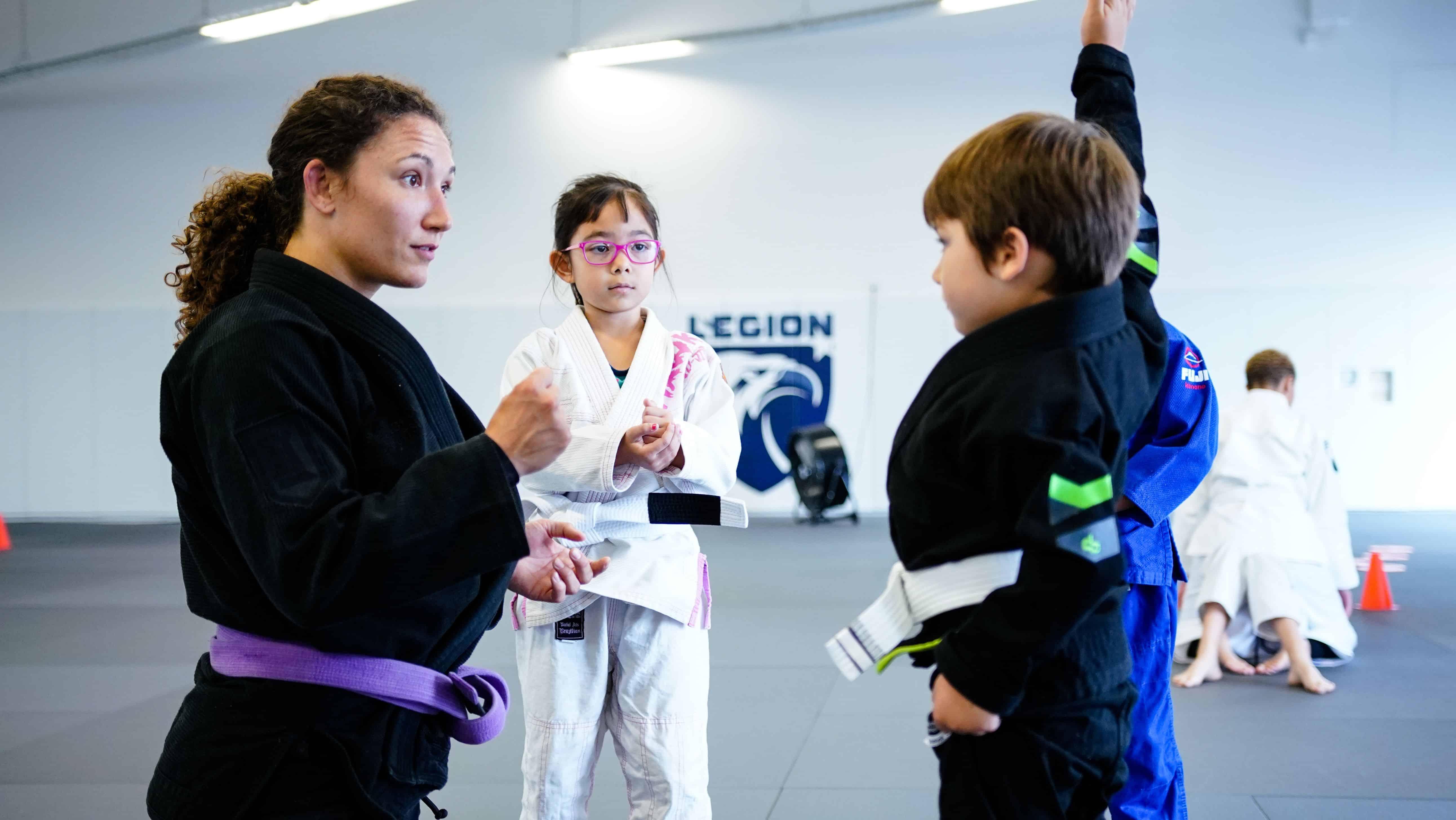
Principle 1: What you want is on the other side of fear
The mind can be on your side one minute and working against you the next. In our kids program, children learn this about themselves early, and they learn to use their own mind as a tool instead of letting it hold them back.
Training is a process of constant, gradual change. Kids get pushed a little past where they’re comfortable, and over time they build the kind of discipline that keeps them going when something is hard. Fears that used to run the show start to feel manageable.
Jiu-jitsu is complicated, which is one of the hardest and best things about it. It asks kids to solve problems quickly with someone pushing back on them, and it shows them their weak spots in a way they can’t ignore. Every kid hits moments where they want to quit or where nothing makes sense. Working through those moments is where resilience comes from, and after enough of them, challenges outside the gym that used to feel huge start to look smaller.
We’ve watched it happen with our own students. A kid who dreaded giving presentations at school starts doing them without much fuss. Another who was being picked on finds the confidence to stand up for himself, and for other kids too, and we’ve seen kids who were struggling in class bring the same stubbornness to their schoolwork.
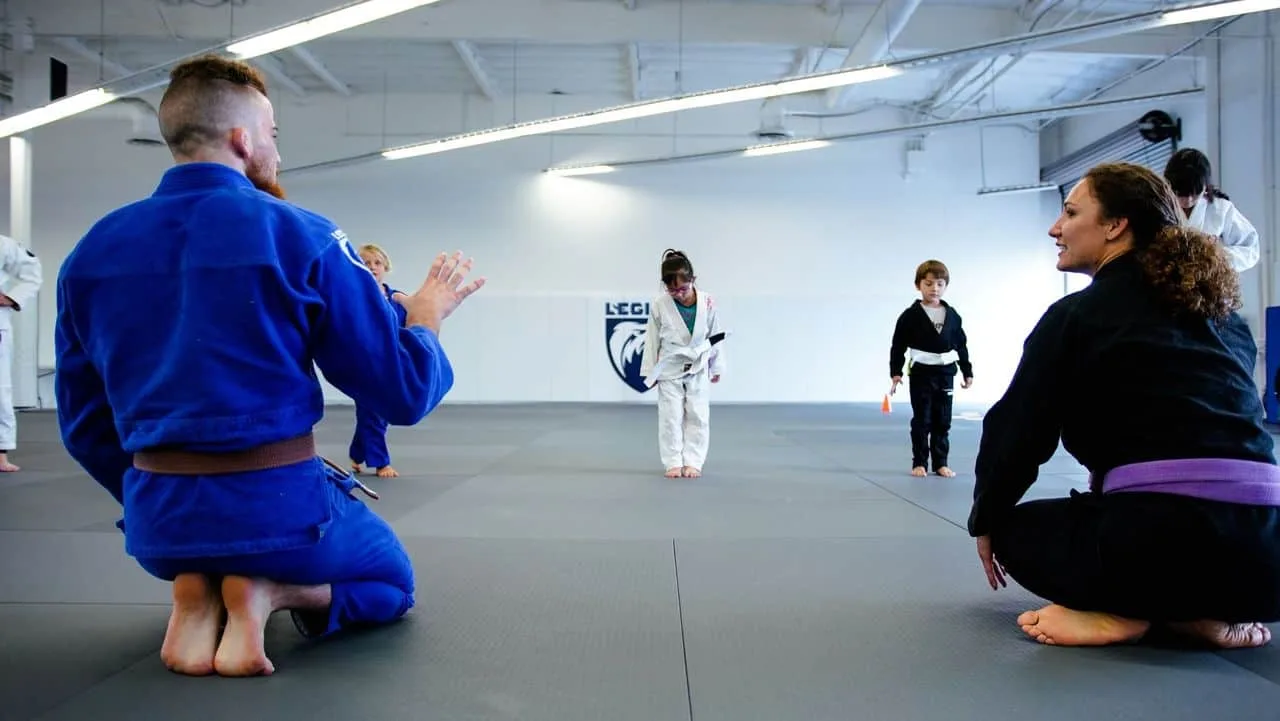
Principle 2: Power over force
Any good kids jiu-jitsu program will teach your child to defend themselves, which is a skill a lot of adults never learn. What matters just as much is knowing when to use it.
Jiu-jitsu is a powerful martial art, and anyone who learns it, kids especially, has a responsibility to use it well. One of the things we teach at Legion is what we call verbal jiu-jitsu, which means talking a conflict down before it turns physical. Showing off, starting fights and acting tough have no place in it.
Something that surprises many parents is that kids who know how to fight end up needing to fight less often. If you’d like to read more on that, here is an article on how martial arts training reduces aggression in children and teens.
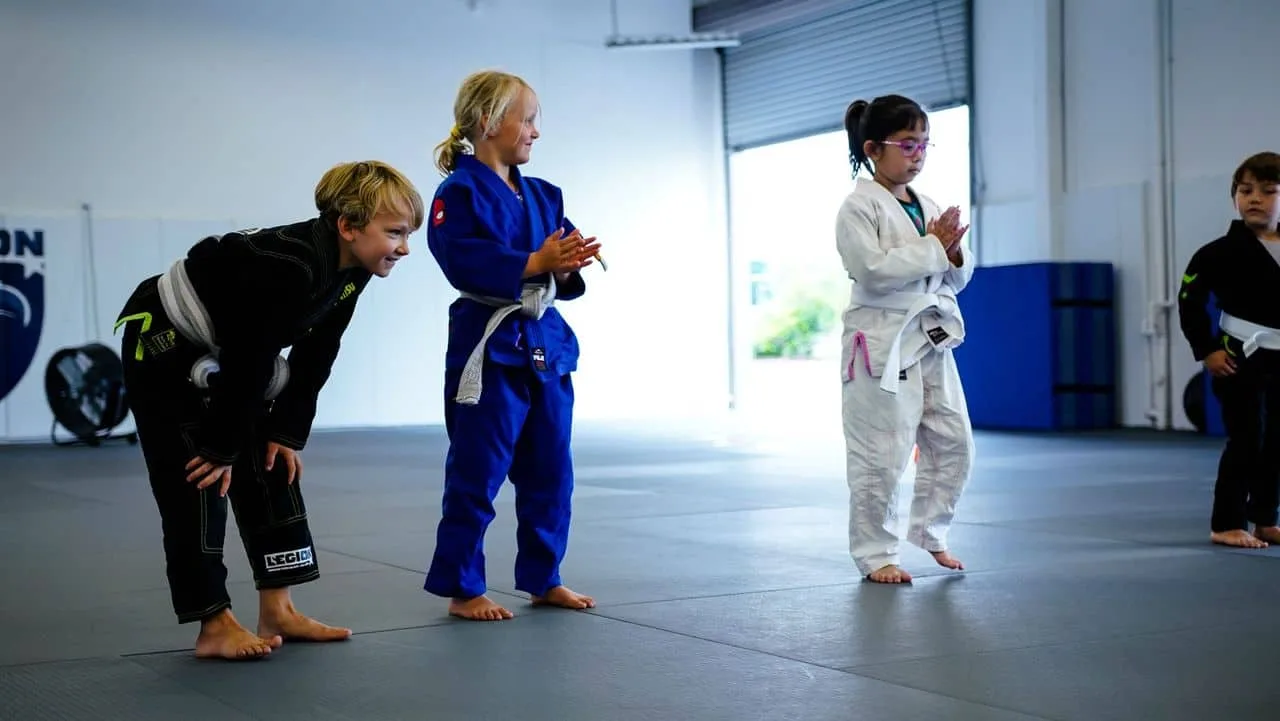
Principle 3: Compete against yourself, not against others
We’ve written about this one before in why every child should train jiu-jitsu, and it’s worth repeating.
Jiu-jitsu is a skill like piano, riding a bike or swimming, and trial and error comes with learning any of them. The difference is how the learning happens. On any given day your child may be training with partners who are better than they are, and they’ll feel it right away. Most other skills never put a kid’s ego on the line quite so directly.
Picture your child taking an hour of piano every day, except instead of practicing alone they had to play against a concert pianist each session. Some kids would love that and improve faster for it. Others would start to feel like they weren’t getting anywhere, even while they were improving, because the comparison would be all they could see.
That habit of comparing yourself to other people is the biggest reason people quit jiu-jitsu. The kids who learn to accept that someone on the mat will always be better than them, and who shift their attention to their own progress, are the ones who keep going and keep enjoying it. They find out that getting better is the point, and that lesson helps a child work hard at anything without losing motivation.
How the three principles work together
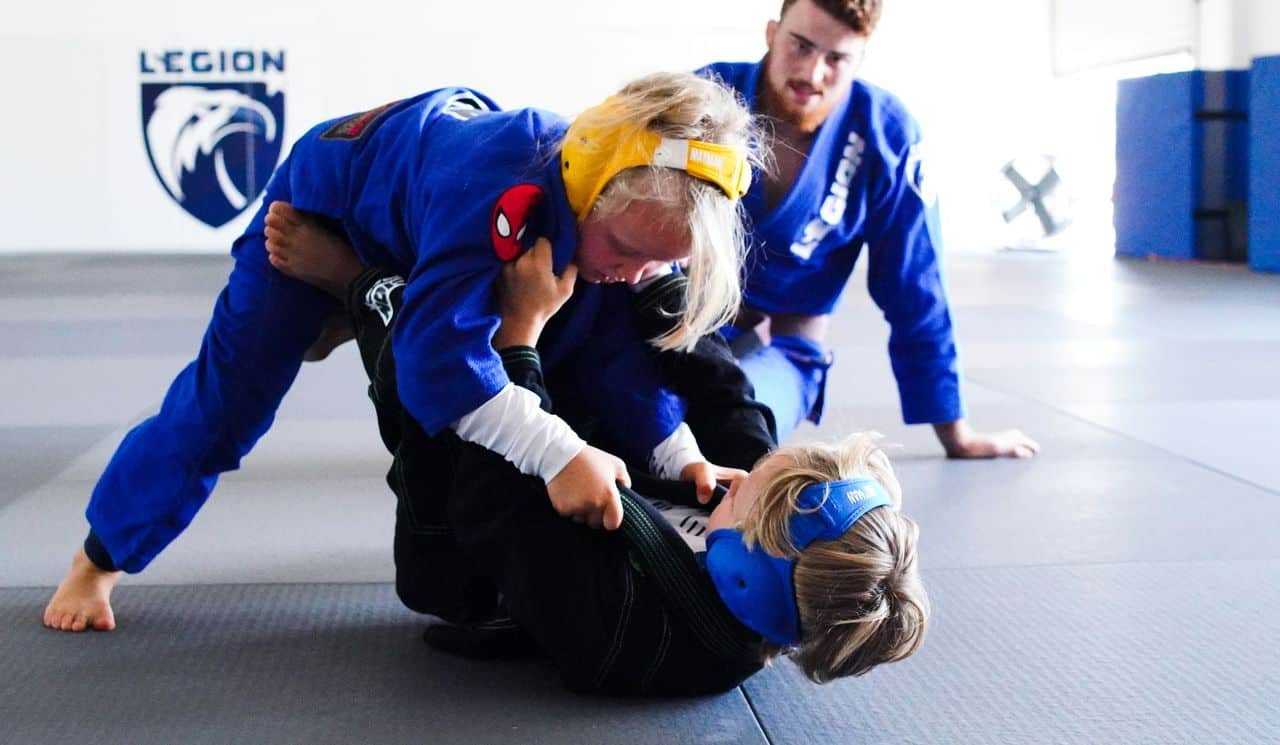
Each principle is useful on its own, and they get stronger together. A child who has trained with us for a while:
- gets out of their own way and faces fears on a regular basis (principle 1)
- uses the confidence that comes from knowing a martial art in a way that helps the people around them (principle 2)
- stops measuring themselves against other kids and pays attention to their own progress and to enjoying the learning (principle 3)
Jiu-jitsu gives kids a place to practice all three at once, several times a week, and they learn some very cool techniques along the way.
Book your child’s first class
Read about our kids jiu-jitsu classes in San Diego and book a free intro for your child.